Critical Threat Detection
Sub-second detection of high-severity threats — armed individuals, fire and smoke events, abandoned objects, camera tampering, and theft — with direct integration into emergency response workflows.
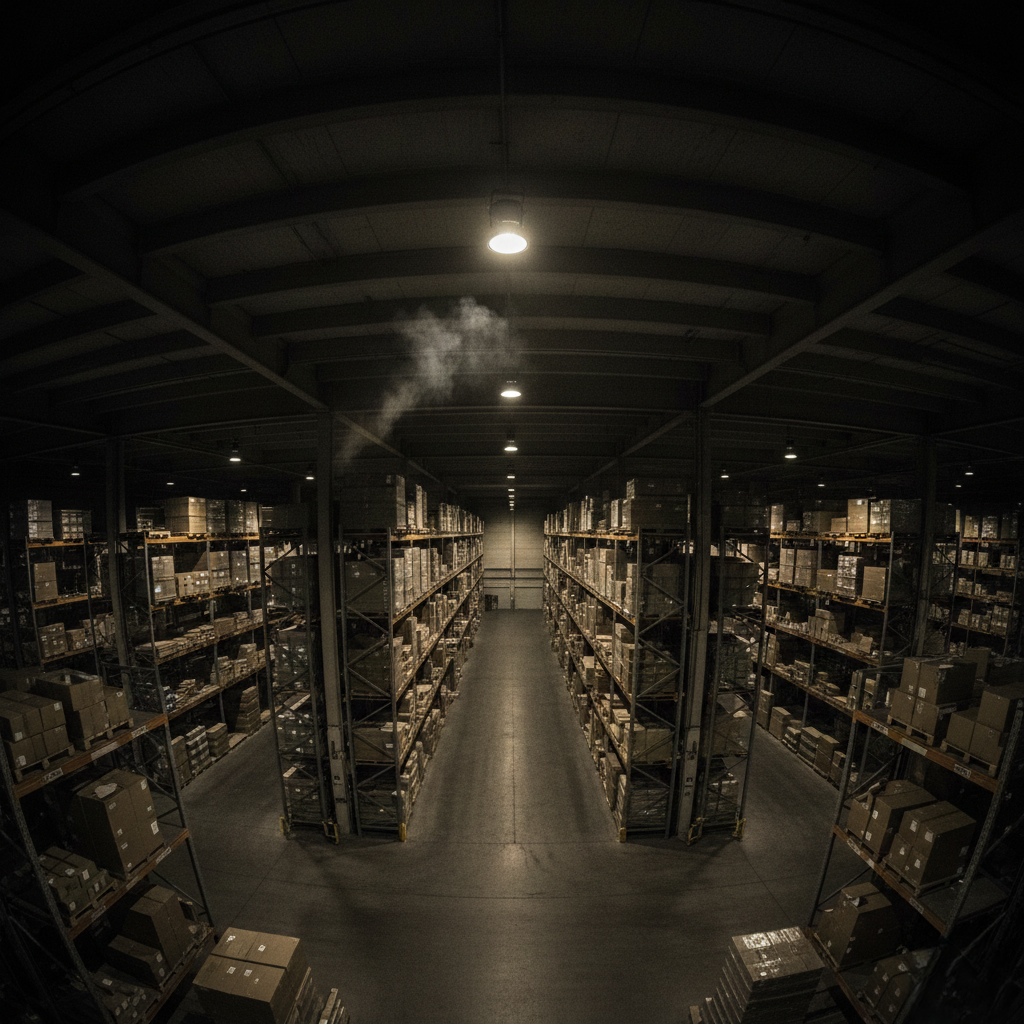
Modules in this solution
- Armed Person Detection
- Video-Based Fire & Smoke Detection
- Camera Tampering Detection
- Object Removal / Abandoned Object Detection
- Theft & Pilferage Surveillance
Overview
Critical security events — weapons, fire, abandoned packages, or camera attacks — require the fastest possible detection and response. Every second of delay in these scenarios has life-safety implications. Servelens Critical Threat Detection is built specifically for high-stakes environments where early warning is the difference between a contained incident and a catastrophe.
Unlike smoke detectors that rely on particles reaching a sensor or traditional fire alarms that require physical damage to trigger, Servelens video-based fire & smoke detection identifies the visual signatures of fire and smoke in camera footage — often 30–60 seconds earlier than traditional sensors in large open spaces such as warehouses, data halls, and factory floors.
The armed person module analyzes human poses and detected objects to identify firearms, large knives, or rifles — triggering immediate silent or audible alerts to security operations centers.
Key Capabilities
- Firearms and bladed weapon detection in camera feeds
- Silent alarm option — alert security without triggering public panic
- Video-based fire detection: identifies flame appearance in camera view
- Smoke plume detection — effective for early warning before fire ignites
- Abandoned object detection — flags bags, boxes, or packages left unattended
- Object removal detection — alerts when assets are taken from designated locations
- Camera tampering detection: covering, spray-painting, repositioning, blurring
- Automatic alert with snapshot and video clip on event trigger
- Escalation routing: different alert recipients for different threat levels
- Integration with control room software, access control lockdown systems, and PA systems
Detection in Action
Each module runs in real-time on your existing camera feed — here's what the AI detects and flags automatically.
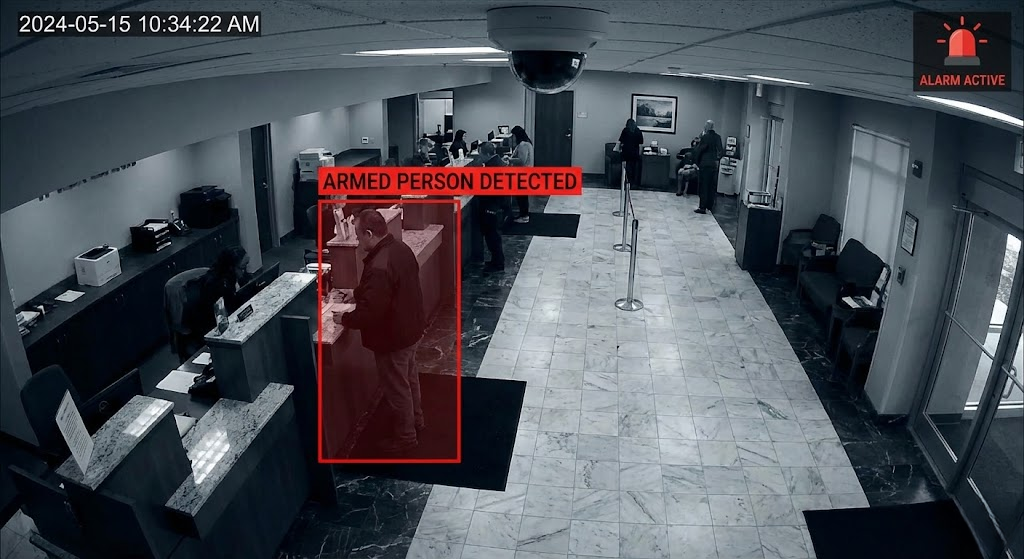 Silent Alarm Mode
Armed Person Detection
Identifies firearms and bladed weapons in any camera frame and immediately alerts the security operations center — with a silent alarm option that avoids triggering public panic during active threat scenarios.
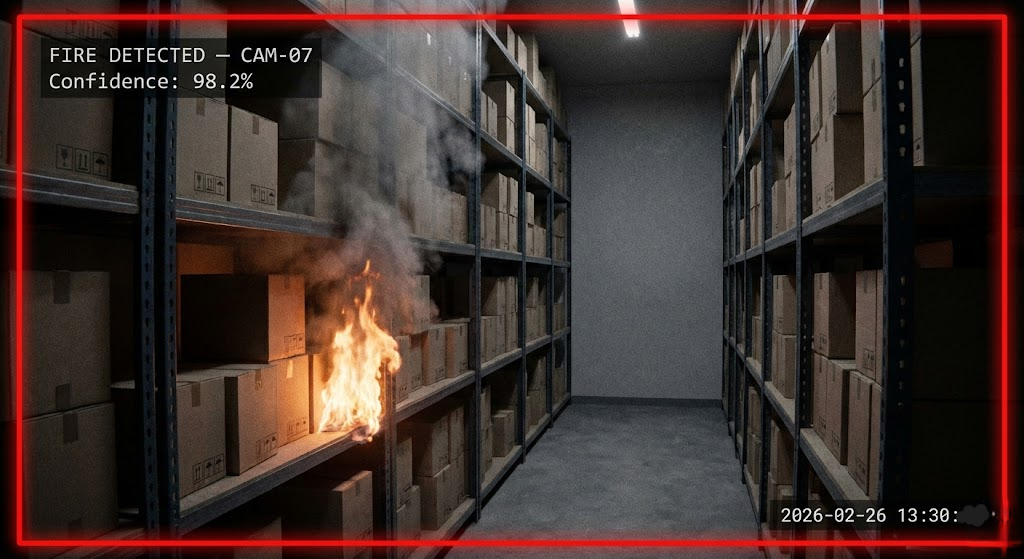 30–60s Early Warning
Video-Based Fire & Smoke Detection
Detects visible flames and smoke plumes in camera footage — providing critical early warning in large open spaces where traditional ceiling sensors react too slowly.
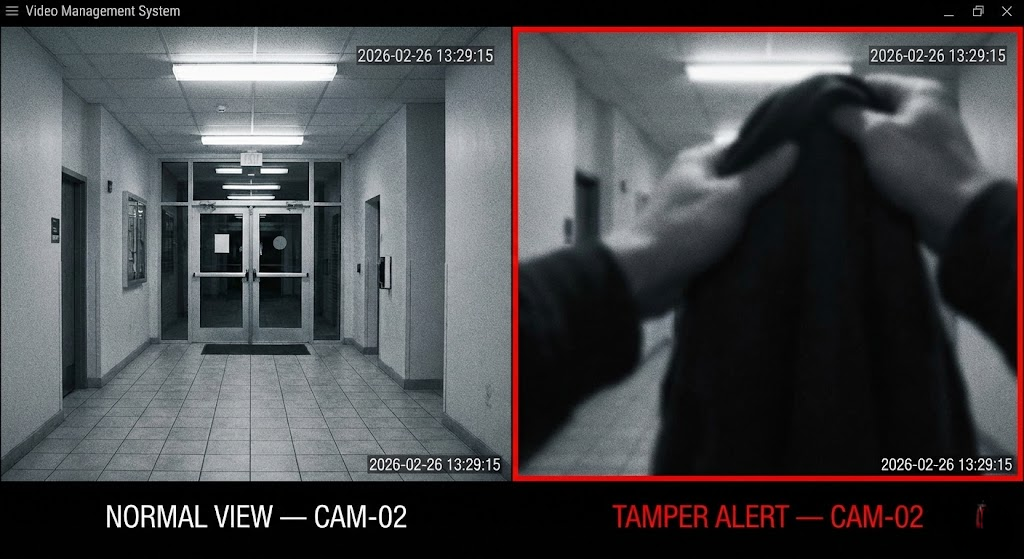 Self-Monitoring
Camera Tampering Detection
Instantly detects when a camera is covered, spray-painted, repositioned, or defocused — alerting security teams the moment someone attempts to create a surveillance blind spot.
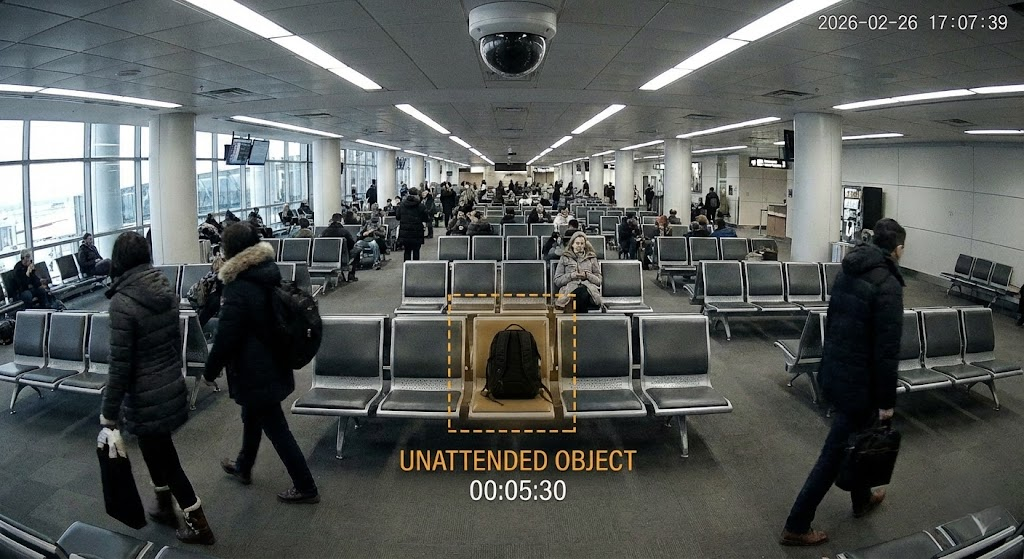 Dwell-Time Trigger
Object Removal / Abandoned Object Detection
Flags unattended bags, boxes, or packages left in public areas — and alerts when designated assets or equipment are removed from their assigned locations.
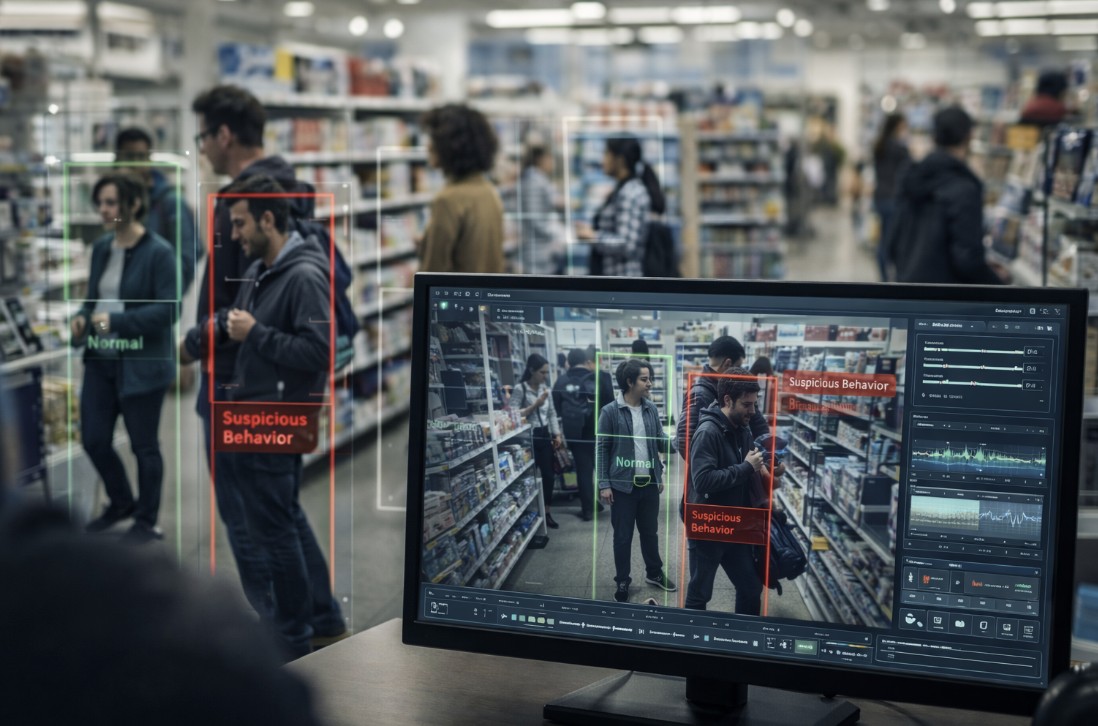 Live Detection
Theft & Pilferage Surveillance
Detects and flags unauthorised removal of assets, inventory, or equipment from defined zones in real time — alerting security teams instantly with a timestamped snapshot and video clip before pilferage goes unnoticed until stocktake.
How It Works
Assign Threat Modules per Camera
Configure which threat detection modules apply to each camera. For example: armed person detection on all public-area cameras, fire detection on warehouse and server room cameras, abandoned object on airport check-in areas.
Continuous AI Analysis
The AI engine processes every frame from assigned cameras looking for visual threat signatures — flame appearance, smoke patterns, weapon shapes, unattended objects, and camera view changes.
Priority Alert Delivery
Critical threat alerts are treated with highest priority — delivered simultaneously via the dashboard, email, SMS, and webhook within 500ms. Alert payloads include camera ID, threat type, and snapshot evidence.
Response Workflow Trigger
Through the webhook API, Servelens can trigger external systems: lock building access, sound PA announcements, notify fire services, or alert armed response units — depending on the threat level configured.
Industry Use Cases
Business Benefits
30–60 Seconds Earlier Fire Warning
In large open spaces, video-based fire detection identifies flames visually before smoke particles reach ceiling-mounted detectors — providing critical extra response time.
Arms & Threat Detection at Scale
Monitor every public-area camera simultaneously for weapons — providing coverage that would require dozens of alert security officers to replicate manually.
Protect High-Value Assets
Object removal alerts immediately flag theft of equipment, artwork, or valuable assets from designated positions — before perpetrators leave the premises.
Prevent Surveillance Blind Spots
Camera tampering detection ensures that every camera remains operational. Attempts to cover or redirect cameras trigger immediate alerts to the security team.
Integrated Emergency Response
Webhook integration enables automatic triggering of lockdowns, PA announcements, or emergency service notifications — coordinating response faster than manual processes.
Low False Positive Rate
Servelens threat detection uses multi-frame confirmation to reduce false positives from reflections, lighting changes, or fast-moving animals — ensuring alert fatigue is minimized.
When Every Second Counts — Deploy Faster Detection
Talk to our security specialists about deploying threat detection at your facility. We handle high-security environments with full confidentiality.